

Sewing a clean and durable hem on denim requires both proper technique and the right equipment. Whether you are working with a standard Jeans Sewing Machine or a professional Chainstitch Sewing Machine, understanding the correct process helps you achieve a factory-quality finish that is strong, neat, and long-lasting.
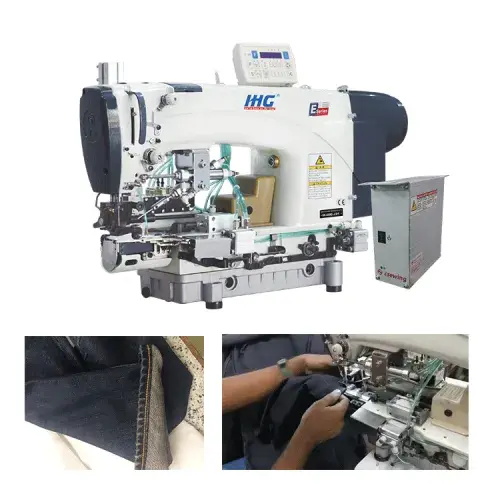
What Is a Hem in Jeans?
A hem is a finishing method where the fabric edge is folded and stitched to prevent fraying and adjust garment length .
In jeans, hems are usually thicker due to multiple layers of denim, which means they require stronger stitching and more stable feeding—this is why many factories rely on industrial jeans sewing machines or chain stitch hemming machines.
Preparation Before Sewing
Before starting, make sure your setup matches denim requirements:
- Use a heavy-duty needle (size 100 or above)
- Choose thick topstitch thread for visible stitching
- Adjust stitch length slightly longer for denim appearance
- Ensure your jeans sewing machine can handle multiple fabric layers
In industrial environments, a chainstitch sewing machine is often preferred because it provides better flexibility and a more authentic denim finish.
Step-by-Step Guide to Hem Jeans with a Machine
Step 1: Measure the Desired Length
Wear the jeans and mark the correct length. This ensures accuracy and avoids uneven hems.
Step 2: Trim Excess Fabric
Cut off the extra length, leaving enough allowance for folding.
This step is essential to prevent bulky hems and improve sewing efficiency.
Step 3: Fold and Press the Hem
Fold the fabric inward, then fold again to create a double-layer hem.
Pressing with an iron helps create a sharp and even edge, making stitching easier and more precise .
This double-fold method is the most common in denim production because it fully encloses the raw edge and improves durability.
Step 4: Secure the Fold
Use clips or pins to hold the hem evenly in place.
Consistency at this stage directly affects the final stitching quality.
Step 5: Sew the Hem with Machine
Place the jeans under the presser foot and start sewing along the folded edge.
- With a jeans sewing machine, a straight lockstitch is typically used for strength and stability
- Sew slowly when passing thick seams (especially side seams)
- Keep the stitching line consistent for a clean look
If you are using a chainstitch sewing machine, the stitch structure will create a looped finish that improves flexibility and produces the classic denim “roping” effect often seen in premium jeans.
Step 6: Reinforce and Finish
Backstitch at the beginning and end to secure the seam.
Trim loose threads and press the hem again for a polished appearance.
Lockstitch vs Chainstitch in Jeans Hemming
In practical production, both stitch types are widely used:
- A jeans sewing machine usually creates a lockstitch, which is strong and suitable for everyday wear
- A chainstitch sewing machine produces a more flexible seam, making it ideal for high-end denim and bulk manufacturing
This is why many garment factories combine both machines depending on product positioning and customer requirements.
Common Mistakes to Avoid
- Uneven folding leading to crooked hems
- Using regular needles instead of denim needles
- Sewing too fast over thick areas
- Not pressing the fold before stitching
Each of these issues can reduce the final quality, especially when working with heavy fabrics like denim.
Professional Tips for Better Results
- Use a heavy-duty jeans sewing machine for stable feeding
- Choose a chainstitch sewing machine if you want a premium denim finish
- Flatten thick seams before sewing to avoid needle breakage
- Match thread color to original stitching for a factory look
- Maintain consistent stitch spacing for better visual quality
Industrial Application Insight
In garment factories, hemming is often standardized into a streamlined process:
- Length measurement
- Cutting and folding
- Pre-pressing
- Machine hemming (jeans sewing machine or chainstitch sewing machine)
- Final inspection
Using industrial machines significantly improves efficiency, consistency, and output quality, especially in bulk denim production.
Learning how to sew a hem on jeans with a machine is essential for both beginners and professional manufacturers. By combining proper folding techniques with the right equipment—such as a reliable jeans sewing machine or a specialized chainstitch sewing machine—you can achieve strong, clean, and professional hems.
For factories and suppliers, the key is not just sewing—but choosing the right machine to match production needs and product positioning.