

This guide explains step-by-step how to thread different types of industrial sewing machines, including advanced models like the Double Needle Lock Stitch Sewing Machine 8422 and Cylinder Arm Industrial Sewing Machine 2/3 Needle.
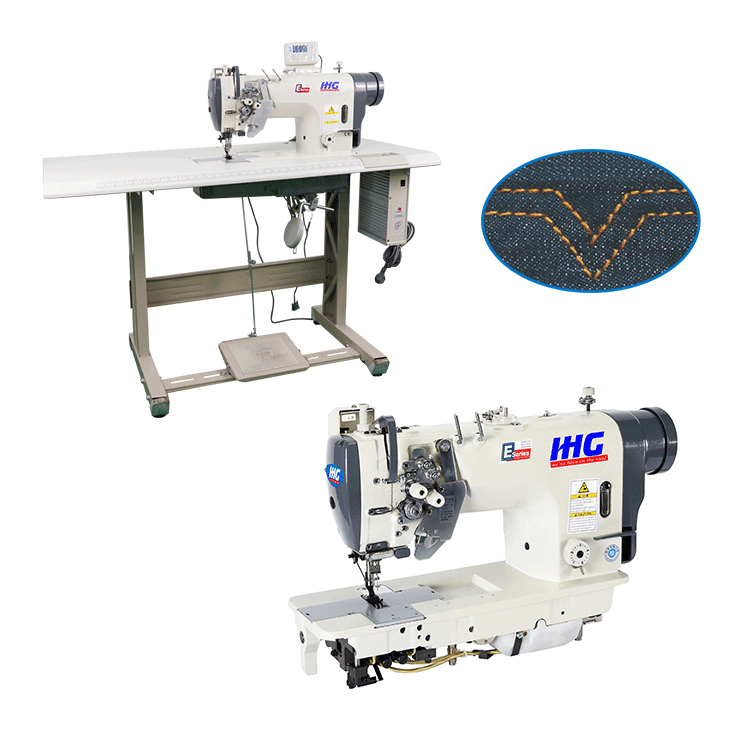
Understanding the Industrial Sewing Machine Structure
Before threading, it is important to understand the main components of an industrial stitching machine:
-
Thread stand
-
Thread guide
-
Tension discs
-
Take-up lever
-
Needle bar
-
Hook system (hook machine sewing mechanism)
-
Bobbin case
Industrial sewing machines are designed for heavy-duty production and operate at higher speeds than domestic machines, so accurate threading is critical.
Step-by-Step: How to Thread an Industrial Sewing Machine
Step 1: Turn Off the Machine
Always power off your industrial sewing machine before threading to prevent accidents.
Step 2: Place the Thread on the Thread Stand
Insert the thread cone onto the spool pin or thread stand located above the machine.
For machines like the industrial double needle sewing machine, you will need two thread cones.
Step 3: Guide the Thread Through the Upper Thread Guides
Pull the thread down through the first guide, then into the tension discs. Make sure the thread sits properly between the tension plates to ensure balanced stitching.
This step is especially important for:
-
Double stitch sewing machine
-
Double needle sewing machine
-
Elastic stitching machine
Step 4: Thread the Take-Up Lever
Bring the thread upward through the take-up lever from right to left. This controls stitch tension and thread feeding.
Step 5: Guide the Thread Down to the Needle
Pass the thread through the lower thread guides near the needle bar.
On a two needle sewing machine or double needle industrial machine, repeat the threading path for the second needle independently.
Step 6: Thread the Needle
Insert the thread through the eye of the needle from front to back (or left to right depending on model design).
Machines such as:
-
Double needle lock stitch machine
-
Double needle lockstitch sewing machine
-
industrial sewing machine double needle
require careful separation of the two threads to avoid tangling.
Step 7: Insert and Thread the Bobbin
For hook-based systems such as hook machine or hook stitching machine, follow these steps:
-
Insert the wound bobbin into the bobbin case.
-
Pull the thread through the bobbin tension spring.
-
Insert the bobbin case into the hook system.
Rotate the handwheel to bring the bobbin thread up through the needle plate.
Threading Special Industrial Machines
1. Double Needle Lock Stitch Sewing Machine 8422
The Double Needle Lock Stitch Sewing Machine 8422 requires:
-
Two upper threads
-
One or two bobbins (depending on configuration)
-
Balanced tension adjustment
Ensure equal tension on both needles to prevent uneven seams.
2. Cylinder Arm Industrial Sewing Machine 2/3 Needle
The Cylinder Arm Industrial Sewing Machine 2/3 Needle is used for tubular garments such as sleeves and cuffs. Threading is similar to a standard machine, but:
-
Thread guides are often positioned differently
-
Needle synchronization is crucial
-
Each needle must be threaded separately
3. Computer Industrial Sewing Machine Bar Tacking Pattern
A Computer Industrial Sewing Machine Bar Tacking Pattern machine automates reinforcement stitching. Threading follows standard procedures, but proper thread tension is critical for pattern accuracy.
4. Bottom Hemming Machine Industrial with Automatic Threader
The Bottom Hemming Machine Industrial with Automatic Threader simplifies threading through its built-in automatic needle threading system. However, upper and lower thread paths must still be correctly guided.
Threading Double Needle and Elastic Machines
Double Needle Industrial Sewing Machine
When threading a double needle industrial sewing machine:
-
Use two separate thread cones
-
Ensure threads do not cross
-
Maintain equal tension
This applies to:
-
industrial sewing machine double needle
-
double needle lock stitch machine
-
industrial double needle sewing machine
-
double needle industrial machine
Elastic Sewing Machine and Elastic Stitching Machine
For knitwear and stretch fabrics, an elastic sewing machine or elastic stitching machine may require:
-
Special elastic thread
-
Lower tension settings
-
Accurate threading to avoid skipped stitches
Hook Machine Sewing System
In a hook machine sewing mechanism, the rotating hook catches the needle thread to form stitches. Proper bobbin placement is essential in:
-
hook machine
-
hook stitching machine
Incorrect bobbin insertion can cause thread breakage or irregular stitching.
Common Threading Mistakes
Even experienced operators may encounter threading issues with industrial sewing machines:
-
Skipping thread guides
-
Incorrect tension disc placement
-
Improper bobbin direction
-
Uneven threading in double needle sewing machine setups
-
Twisted threads in two needle sewing machine models
Always recheck the threading path if stitches are uneven.
Why Proper Threading Matters
Correct threading ensures:
-
Smooth operation
-
Balanced stitch formation
-
Reduced thread breakage
-
Higher production efficiency
-
Extended machine lifespan
Whether you are operating a double needle lockstitch sewing machine, an industrial stitching machine, or a double needle lock stitch machine, precision threading directly impacts product quality.
Industrial Sewing Machines for Different Applications
Modern factories use various industrial sewing machines, including:
-
Blouse hook stitching machine for garment hooks
-
industrial sewing machine double needle for parallel seams
-
double stitch sewing machine for reinforced stitching
-
Cylinder Arm Industrial Sewing Machine 2/3 Needle for tubular garments
-
Computer Industrial Sewing Machine Bar Tacking Pattern for reinforcement
-
Bottom Hemming Machine Industrial with Automatic Threader for garment finishing
Each type follows the same basic threading principles but may require additional steps depending on needle count and hook design.
Threading an industrial sewing machine correctly is fundamental for professional garment production. Whether you are using a double needle industrial sewing machine, a hook machine sewing system, or a specialized model like the Double Needle Lock Stitch Sewing Machine 8422, following the correct threading path ensures optimal performance.
From elastic sewing machines to two needle sewing machine setups, careful threading improves stitch quality, reduces downtime, and enhances productivity in industrial manufacturing environments.